





1. Brain-Body Balance
Consumers are giving more attention to how mental and physical wellbeing interact. Many are adjusting their nutrition to support focus, clarity, and emotional steadiness, with more than 1 in 3 listing mental wellbeing as a top concern1 and 27% modifying their diet for a mental or emotional goal.2 This shift is encouraging crossover between categories as ingredients traditionally linked to physical wellbeing, such as creatine, fiber, and ATP‑related energy support, are increasingly positioned for cognitive benefits.
Movement is happening in the other direction as well, with brain and mental‑performance ingredients becoming more common in active nutrition products. Energy drinks positioned for alertness now highlight endurance or metabolic support, and sleep support is increasingly recognized for its role in physical recovery. This crossover is accelerating as consumers look for products that help them stay mentally focused while performing physically. In North America, sports and active nutrition launches that include cognitive or mental claims have grown by 108% over the past five years,3 highlighting how strongly the two spaces are converging.
2. Longevity in Focus
Longevity, a category once reserved for older consumers, has become a core priority across age groups as more people connect daily wellness habits with long‑term quality of life. The shift is centered on healthspan, which reflects a desire to maintain strength, mobility, cognitive clarity, and overall vitality for as many years as possible, rather than simply increasing lifespan. This expanding, healthspan‑driven mindset has made healthy aging the fastest‑growing condition‑specific supplement category in the U.S.,4 and it is gaining global traction, with about 3 out of 4 consumers worldwide rating healthy aging as extremely or very important.5
Motivations differ by age. Younger adults are seeking products that help prevent disease, support physical fitness, and reinforce a positive mindset, while Gen X and Boomers lean toward maintaining mobility, keeping an active mind, and feeling physically capable as they age.6 These distinctions are shaping how companies tailor claims, benefits, and positioning, allowing products to better address the evolving needs and priorities of each generation.
3. Functional Snackification
Snacking is increasingly becoming a primary eating behavior rather than an occasional add‑on, with the number of people snacking two to three times per day rising from 31% in 2024 to 42% in 2025, and those snacking four or more times per day increasing from 6% to 10%.7 More than half of consumers now replace at least one meal with a snack,8 reflecting a shift toward eating patterns that feel easier to manage and support more consistent energy throughout the day.
Consumers are increasingly looking for snack‑like options that deliver more than quick hunger relief, seeking formats that support energy, satiety, and overall wellness in familiar, food‑forward forms. This shift is pushing supplements closer to snack experiences and blurring the line between functional foods and traditional nutraceuticals. Because these formats feel intuitive and enjoyable, they not only support existing users in meeting their wellness goals but also bring new consumers into the nutraceutical and functional health category, creating a behavioral shift and a growth opportunity as functional benefits become easier to access throughout the day.
4. Min-maxing Nutrition
The idea of min‑maxing, a term popularized across TikTok and other social channels, is shaping how consumers approach their daily nutrition. Instead of making small adjustments, many are choosing a more dramatic approach, maximizing things like protein, fiber, and diverse whole‑food ingredients while cutting added sugars, artificial colors, seed oils, and other inputs they view as unnecessary.
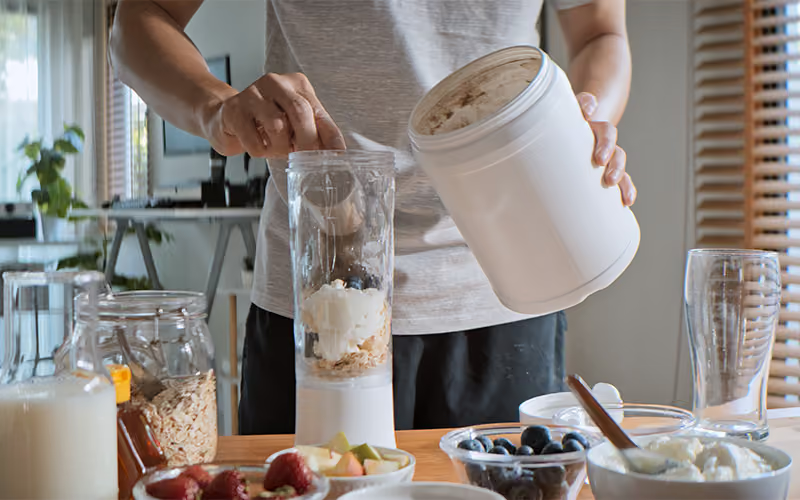
The shift is significant. 3 in 5 consumers globally saying they’re actively including more protein in their diets.9 Interest in fiber also continues to rise, with 54% of consumers seeking high‑fiber options10 and trends like fibermaxxing gaining traction.
Patterns among GLP‑1 users reinforce these priorities, with higher reported intake of protein (53%) and fiber (45%), and lower intake of sugar (39%) and fat (36%).2 Together, these behaviors reflect a more strategic, goal‑oriented approach to nutrition focused on nutrient density and clear function.
5. Tech-Enabled Personalized Nutrition
Technology is playing a larger role in how consumers manage their health, giving them new ways to track habits and understand what their bodies may need throughout the day. Many people now use wearables, continuous glucose monitors, or app‑based tools to monitor sleep, stress, activity, and diet patterns. This growing source of personal data is influencing everyday nutrition decisions and shaping expectations for more targeted products.
Consumers are also becoming more comfortable relying on AI for wellness support. 40% are open to AI‑guided recommendations, 34% have used AI to shop for wellness products,11 and 29% have used AI to support personal decisions such as meal planning.10 As these tools become more integrated into daily life, expectations for nutrition that adapts to individual needs are growing, pushing brands to create products that better align with personal goals and health patterns.
6. Nutraceuticals as Occasions
Functional foods, beverages, and supplements are becoming part of how consumers structure key moments throughout the day. Many reach for energy support in the morning, performance products before a workout, nutrient‑dense smoothies in the afternoon for satiety, and calming formulas at night to unwind. These choices reflect the growing link between physical goals and emotional wellbeing, since the products consumers take to feel focused, strong, or restored also help them feel more centered and in control.
Nutraceuticals are becoming intentional touchpoints that serve both physical needs and the emotional tone of the moment. These experiences extend beyond taste. They reflect a desire to bring intention and emotional reward into wellness habits, turning everyday choices into rituals that feel both supportive and pleasant.
This mindset is shaping the formats consumers prefer. 70% of consumers report experiencing pill fatigue,12 which is increasing interest in products that feel more enjoyable and food‑like. Gummies, flavored drink mixes, chewables, and melts allow functional ingredients to fit naturally into daily rituals, making supplementation feel less like a task and more like a moment of self-care.
7. Sensory Maximalism
Consumers are increasingly drawn to bold, expressive sensory experiences, not just for novelty but for products that make functional benefits feel more exciting and engaging. Curiosity is a major driver. Shoppers are seeking unexpected flavor combinations, elevated textures, and visually distinctive formats that turn wellness into something more adventurous. Popping crystals, ultra sour gummies, bright or saturated colors, layered textures, and salty mineral-rich hydration mixes all reflect a growing preference for products that feel lively and engaging in the moment.
These sensory choices help create intuitive cues about what the product is meant to do. A sharp sour bite can suggest activation. A bold color can prime consumers for energy or focus. A salty hydration mix can make replenishment feel more substantial. Textures that crackle or contrast help create a small but memorable moment that reinforces the functional purpose. Together, these sensory cues are helping consumers connect more naturally with the benefits they seek.

8. Science and Consumer Trust Matter
Consumers are paying closer attention to what feels real and credible. Many are looking for clear evidence behind claims and for ingredients they recognize and trust. More than half say scientific support influences what they choose, yet many also report feeling overwhelmed by complex information.1 This balance is shaping expectations for communication that is simple, transparent, and grounded in fact.
Trust is also affected by the broader information landscape. Nearly half of consumers say AI makes it harder to know what is real,6 which reinforces the value of brands that communicate consistently and honestly. Companies that present science in a clear and accessible way are better positioned to earn confidence and help shoppers feel secure in their decisions.
“Companies that present science in a clear and accessible way are better positioned to earn confidence and help shoppers feel secure in their decisions.”
9. Indulgence with Balance
Consumers continue to move toward a more balanced view of indulgence. Instead of separating indulgent foods from nutritious ones, many now look for products that satisfy both emotional and functional needs. This shift is driving interest in formats that combine familiar flavors or nostalgic cues with added benefits, such as better‑for‑you sweet snacks, functional beverages, and reduced‑sugar treats.
Prebiotic sodas show how strongly this mindset is taking hold. The category has grown at a 51% compound annual rate between 2020 and 2025,9 supported by demand for products that feel enjoyable while still delivering functional value. This preference is also boosting interest in functional snacks and beverages that satisfy cravings without pulling consumers off their wellness goals. Products that offer comfort, taste, and meaningful benefits fit naturally into daily routines and help create a sense of indulgence that feels balanced and intentional.
10. Convenience without Compromise
Convenience continues to matter, but consumers expect far more than quick solutions. Many are moving away from heavily processed options and prefer supplements that combine speed with clean ingredients, reliable quality, and clear functional benefits. This shift is encouraging the rise of formats that feel effortless to use while still supporting meaningful wellness goals.
When eating and supplementing at home, value and premium quality are the top characteristics consumers look for.13 This shows that convenience alone is no longer enough to stand out. Single‑serve drink mixes, ready to drink functional beverages, fast dissolving powders, gummies, and portable capsules are becoming essential because they make daily routines easier without sacrificing nutrition or taste. As interest in elevated convenience grows, supplements and functional foods that offer simplicity, effectiveness, and strong ingredient quality are becoming key tools for maintaining wellness throughout the day.


